
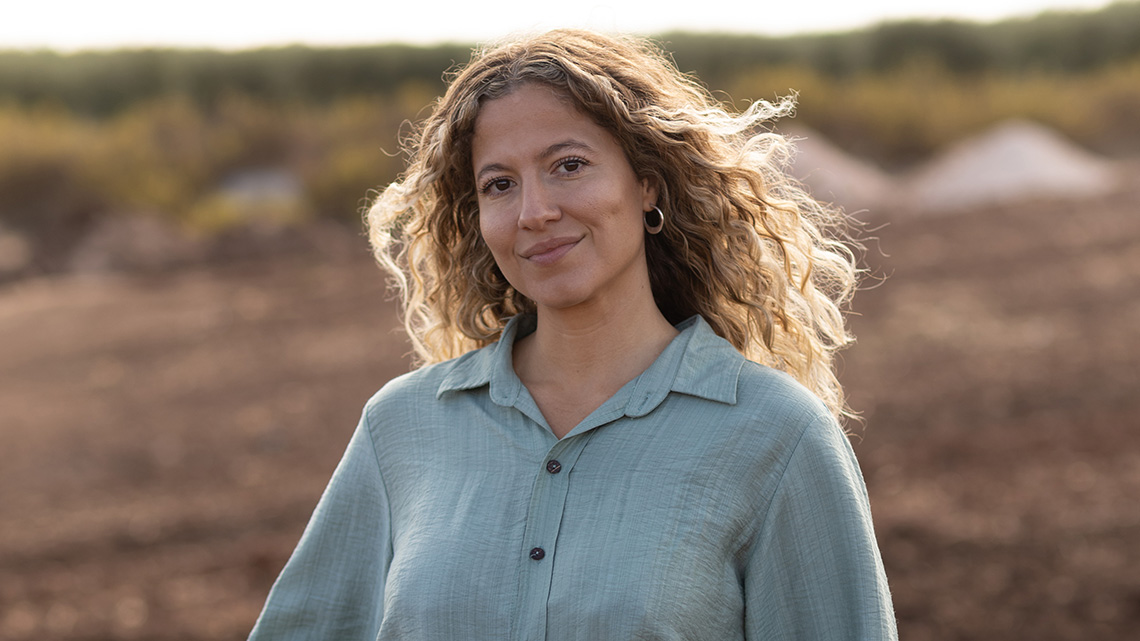
Raiza Figueiredo Rezende, Co-Founder and PT Director of Agrosystemic
In agriculture, the conversation often revolves around numbers—yield per hectare, output per season, efficiency per cycle. Yet somewhere along the way, the quieter elements that sustain farming over generations began to fade into the background: the health of the soil, the rhythms of nature, and the human relationships that hold agricultural systems together. For Raiza Figueiredo Rezende, restoring those connections has become central to her work.
As the Co-Founder and PT Director of Agrosystemic, she approaches agriculture not as a system to control, but as one to understand. At a time when sustainability has become a widely used corporate phrase, Raiza’s work remains closely tied to the realities of farming itself. Her team spends as much time in the field listening to farmers as they do reviewing data and designing transition strategies. Her approach focuses on helping farmers adapt in ways that are both ecologically responsible and economically practical. That balance has become a defining part of Agrosystemic’s growing presence within regenerative agriculture conversations across Europe.
Regenerative Farming Built Through Trust and Partnership
For Raiza, agriculture has never been only about land, production, or technical systems. At its core, she believes it is deeply human work—shaped as much by relationships and trust as by soil quality or ecological indicators. “Our company is our child. We never wanted to become a big consultancy that would lose the human experience. It’s important for us to have a good connection with the people we work with,” shares Raiza. While many consultancies become increasingly process-driven as they grow, she and her team chose to remain closely connected to the farmers, managers, and agricultural teams they work alongside.
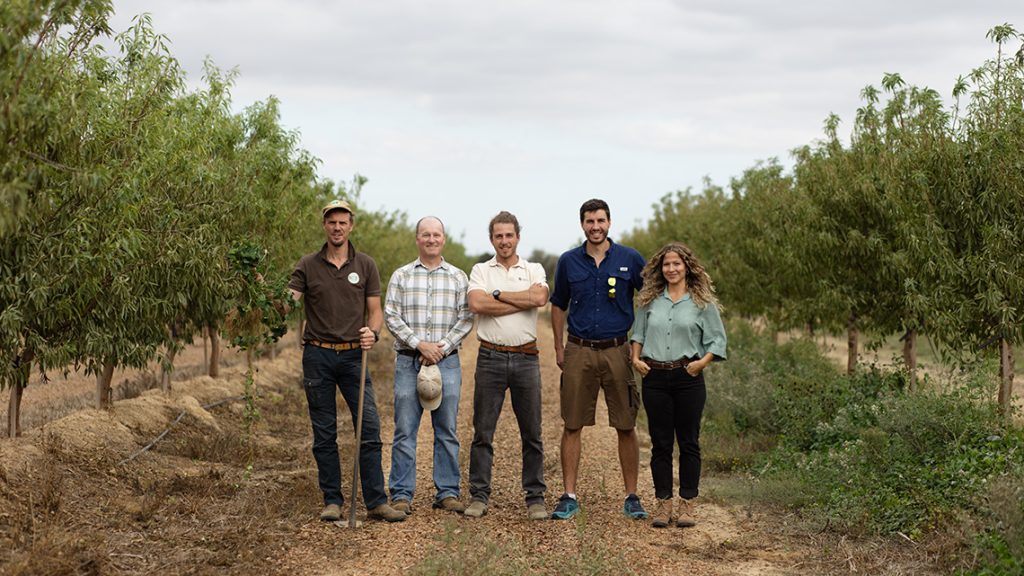
Before proposing solutions, the team spends time understanding the farm itself—studying soil conditions, observing water movement, analyzing ecological patterns, and listening carefully to the people who know the land best. “There’s a general feeling that by setting up monitoring systems or defining a long list of KPIs, there will be a successful regenerative transition. Yet, we don’t measure the most important KPIs – the relationships with the farmers/farm managers and teams,” she explains. Rather than approaching projects with a top-down mindset, Agrosystemic positions itself as a collaborative partner. Over time, that approach creates something more valuable than compliance: willingness. Farmers become more open to experimentation, teams become more engaged, and learning becomes mutual rather than imposed.
Learning to Work With Nature Instead of Against It
One of the biggest lessons Raiza continues to learn in the field is the importance of understanding nature and natural cycles rather than working against them. Even today, she describes every visit alongside agronomic teams as a learning experience—one that continues to reshape how she thinks about farming, productivity, and long-term resilience. Over time, she began to recognize how heavily industrial agriculture has been built around a single metric: yield. In the process, critical elements such as soil health, water cycles, nutrient density of crops, microbial ecosystems, and biodiversity are often overlooked.
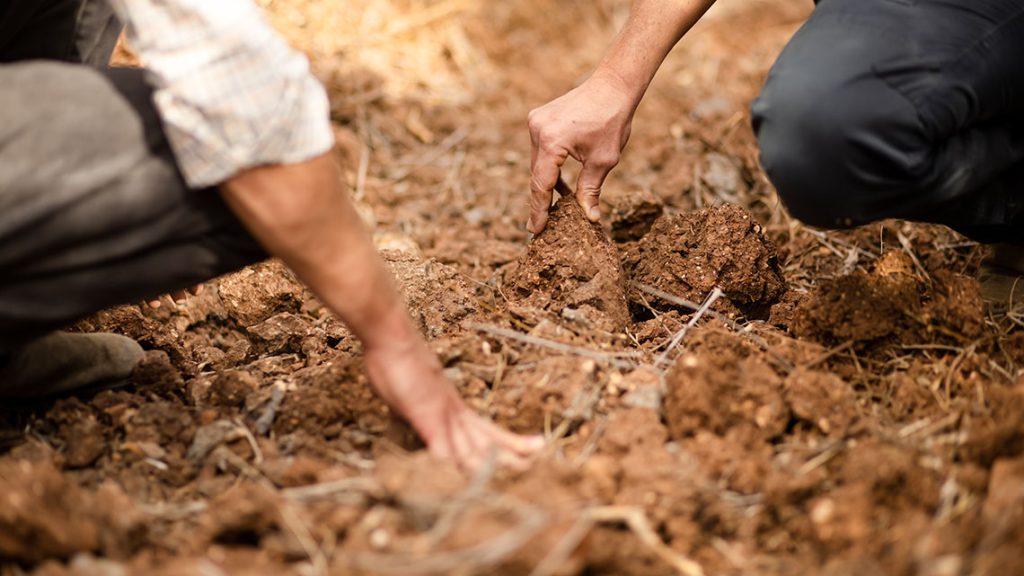
Raiza believes that many regenerative practices become easier to understand once farmers see their impact firsthand. When tilling breaks soil structure and reduces fertility, no-till systems begin to make practical sense. When organic ground cover protects microbial life and improves soil health, the importance of cover crops becomes clear. And when excessive chemical inputs damage soil biology and water systems, the long-term consequences become difficult to ignore. Volatile global chemical markets, particularly around fertilizer and chemical production in Russia and Ukraine, along with increasingly strict EU regulations, are also reinforcing the need to reduce reliance on chemical inputs.
Still, Raiza is careful not to approach regenerative agriculture through idealism alone. Agrosystemic often works with large farming operations spanning hundreds or even thousands of hectares, many of which have depended on industrial practices for decades. Transitioning them requires far more than good intentions. “The adaptability of regenerative practices needs to be realistic, ingrained in farming reality, and most importantly, economically viable,” she adds.
Leading with Humility in a Knowledge-Driven Industry
Agriculture is an industry shaped deeply by experience. Farmers often spend decades understanding the rhythms of a single piece of land, learning patterns that cannot always be captured through reports or analytics alone. Raiza believes any consultancy entering that environment must do so with humility. “It’s important not to arrive with authority over knowledge,” she says. “The farmer or farm manager knows the land much better than we do. We are not there to teach them how to farm their land. We are there to support them in understanding the system’s constraints and natural cycles.”
Agrosystemic approaches projects through shared learning rather than rigid instruction. At the same time, humility does not mean working without structure or evidence. Data remains central to the company’s process, with the team studying historical farm data, operational records, and field analysis before making recommendations. Research initiatives such as Arbo-Innova, developed with Portuguese universities, commercial farms, and technical partners, also help Agrosystemic strengthen its recommendations through ongoing field research. By combining scientific rigour with a collaborative approach, Agrosystemic has built solutions that feel grounded in both research and farming reality.
Raiza also challenges the assumption that farmers need simplified information. She believes farmers are far more data-driven than many assume. From growers and supply chains to investment funds, agriculture relies heavily on data and measurable insights. At Agrosystemic, the focus is therefore not on reducing complexity, but on translating information into practical decisions that work on the ground. Knowledge transfer happens gradually through conversations, field visits, training sessions, agronomic trials, and long-term transition planning. The company works alongside clients over multiple years, allowing practices to evolve through observation and adaptation.
The Real Barriers behind Sustainable Farming
Despite growing conversations around sustainability, large-scale adoption of regenerative agriculture remains slower than many expected. From Raiza’s perspective, the reasons are both practical and deeply human: financial pressure and limited access to the right knowledge. Farming today operates under immense uncertainty. Farmers must navigate rising operational costs, climate risks, changing regulations, market volatility, and growing consumer expectations—all while maintaining profitability. In such environments, even small mistakes can carry major consequences, naturally making farmers cautious about changing long-established systems. Economic viability, she explains, has therefore always remained central to Agrosystemic’s philosophy. Agrosystemic’s co-founder, Dimitri Tsitos, brought a strong economic perspective into the company from the very beginning, ensuring regenerative systems are not only environmentally sustainable but financially practical as well.
“Our most direct message is: invest in your soil,” asserts Raiza. Healthier soils improve resilience, reduce dependency on expensive inputs, and strengthen biodiversity and water systems over time. Agrosystemic supports clients with the knowledge and field experience needed to avoid costly mistakes and implement practices more confidently at scale. At the same time, Raiza understands that agricultural workers are already stretched by demanding workloads. “We want to make their work easier, not harder. Integrating different practices over time is an opportunity to solve the farm’s main issues, not to increase workload and complexity. We are here to make farmers’ lives easier,” she adds.
Regeneration as a Long-Term Investment
The relationship between sustainability and profitability remains one of the most debated topics in agriculture. For many farmers, the concern is practical: building more resilient systems often requires upfront investment, operational adjustments, and the risk of costly mistakes. Raiza understands that hesitation, but believes the conversation around regenerative agriculture has evolved significantly in recent years. With more field experience, research, and long-term data now available, transitions have become far more informed and practical than they once were. “We know that transitions can be more efficient from the start, and that in the medium-term, there are no trade-offs. Soil health and system resilience are directly linked to economic performance,” Raiza explains.
She also believes resilience-building does not always require major spending. In many cases, optimizing existing systems can immediately free up resources for regenerative practices. Redirecting part of a fungicide budget toward cover crops, for example, can support soil fertility, biodiversity, and microbiological health at the same time. For Raiza, regenerative agriculture is no longer about choosing between environmental responsibility and financial returns, but recognizing how closely long-term resilience and economic stability are deeply connected.
Rethinking Agriculture beyond Yield
Looking ahead, Raiza hopes to see a fundamental shift in how agriculture is understood and practiced—not only environmentally, but philosophically. She believes modern farming systems have spent too long working against nature rather than learning from it. “We are currently farming against nature, quite literally,” she says. “That’s the most inefficient way of farming possible. It might work in the short term, but it will not survive in the long term.”
For Raiza, the future of agricultural innovation lies in biology, biotechnology, and the intelligent use of natural systems to optimize production. She believes the industry must move beyond an exclusive focus on quantity and yield, and begin placing equal importance on the quality of produce, the health of soil, plants, animals, and ultimately, human wellbeing. Her vision also extends beyond the field itself. She hopes to see fairer supply chains, stronger recognition for farmers and food producers, and businesses that focus not only on extraction, but on creating shared value and long-term abundance.
Underlying all of it is a simple but powerful idea: nature is not an obstacle to productivity. It may ultimately be agriculture’s greatest ally. “Nature is the biggest opportunity to meet sustainability targets, reach production and economic objectives, while still being able to live on this planet respectfully,” she concludes.