
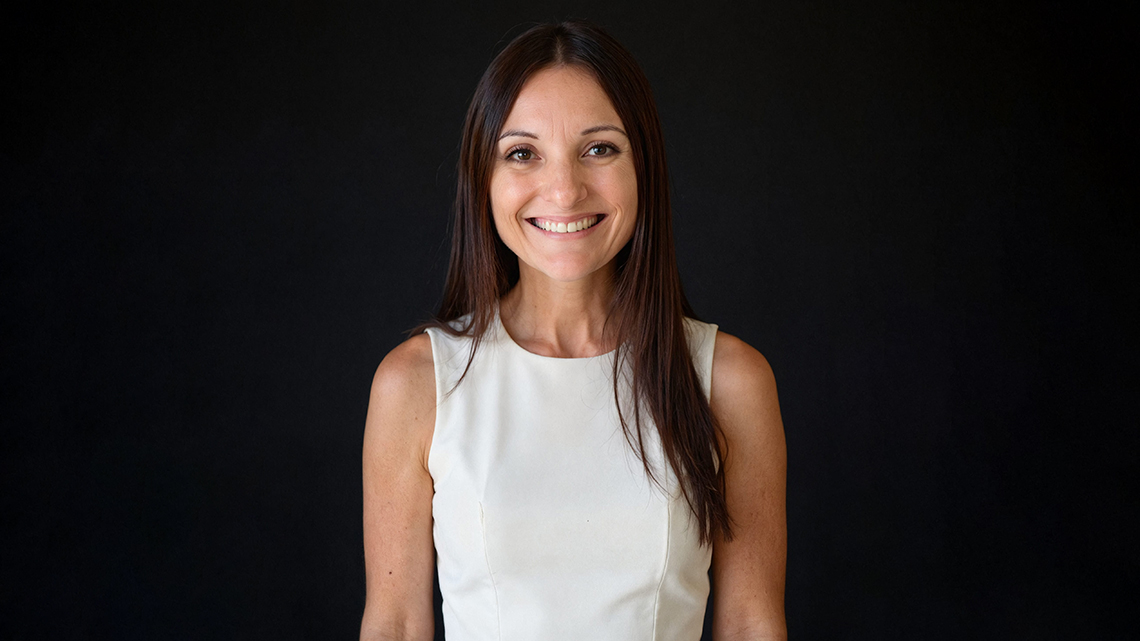
Isabel Nunes, Managing Partner, Mindshift Skills Hub
When the company she had spent four years growing was set to change hands, Isabel Nunes was returning from maternity leave. She could have walked away. Instead, she bought it.
Success stories are often cultivated in a petri dish of curiosity and inspiration. They’re admired from a distance and imagined as a neat upward graph. Isabel Nunes offers none of that comfort.
She did not set out to build a company but to advance people. Three decades, five career pivots, and one management buyout later, her path was defined by detours that shaped her direction.
An optional psychology class in her final year of secondary school cracked open a door she has spent three decades walking through.
“That early exposure sparked a lasting interest in understanding human behavior, their background, and potential,” she says. What followed was a career spanning psychotherapy, the social sector, HR, recruitment, coaching, and EU-funded projects across Portugal and Austria. None of it was mapped in advance. All of it mattered. “At my core, I see myself as an analog thinker in a digital world—someone who values depth, presence, and genuine human connection.”
At university, she immersed herself in student leadership through the Student Association and the Pedagogic Council. These were early signals of a mind drawn to systems, collaboration, and improvement. But the real education came after graduation.
Limited opportunities in clinical psychology pushed her to reinvent herself. Instead of resisting the pull, she navigated through it and expanded her horizons. Psychotherapy, social sector work, corporate environments, HR, recruitment, skills development, and coaching. She also managed U-funded projects across Portugal and Austria. Each chapter added a new perspective. None of it was planned in advance. All of it mattered. “At my core, I see myself as an analogue thinker in a digital world—someone who values depth, presence, and genuine human connection.”
It is the understatement of someone who has learned to trust complexity.
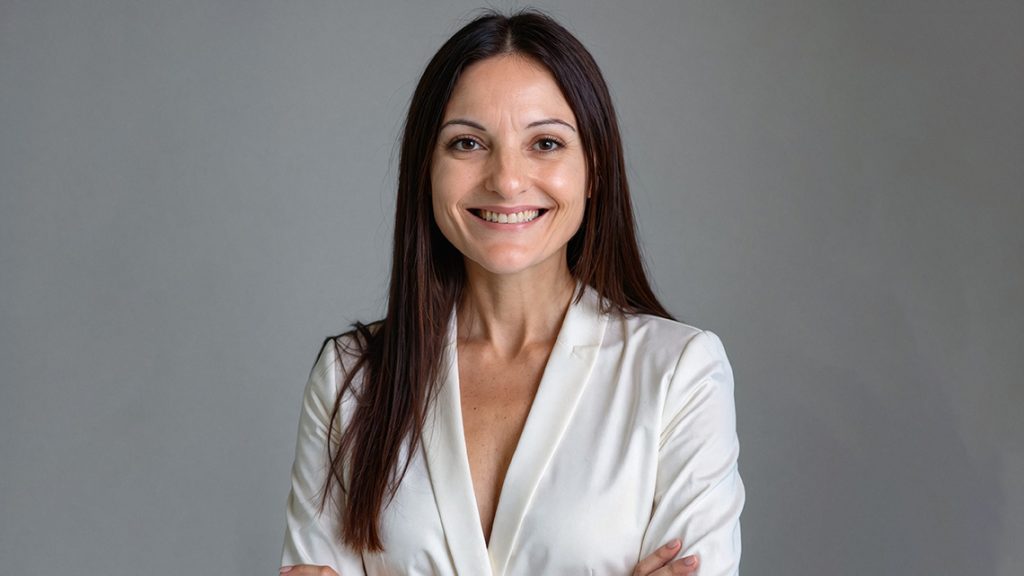
The Reunion that Rewrote the Plan
The founding of Mindshift Skills Hub, formally established in Lisbon in September 2023, does not trace back to a boardroom strategy but to a chance encounter at a university alumni gathering. Twenty years after graduation, Isabel crossed paths with a former colleague. Isabel was then working in Austria as an R&D and innovation manager and preparing to launch her own venture. Their conversation led him to invite her to join his company as director, with a mandate to build its international projects unit from the ground up. Within four years, that unit had grown to a team of nine, managing a portfolio of over 70 projects across Europe and beyond.
When the ownership announced its intention to sell, Isabel was returning from maternity leave and in the middle of one of the most personal chapters of her life. She chose not to wait but to act. “Rather than stepping back, I saw an opportunity to build something with long-term vision.” She brought together Célia Tavares and Vasco Gaião, two colleagues she trusted, and led the buyout. The three became co-owners. Mindshift Skills Hub was born.
“Sustainable impact comes from the quality of the team, clarity of purpose, and consistency in delivering lasting value.”
What sets them apart
Today, Mindshift operates across six practice areas: upskilling and reskilling; digital talent; entrepreneurship and innovation; sustainable development; women and youth empowerment; and society and diversity. Its network connects over 300 organizations across 50 countries. One capability Isabel is particularly proud of is the organization’s in-house development of customized learning platforms and Education 5.0 digital solutions—built after years spent identifying market gaps. Rather than outsourcing the solution, Mindshift trained an internal team member to lead it. “We addressed this by upskilling a team member with the foundation and motivation to lead this area,” she explains. The method is a mirror of the philosophy.
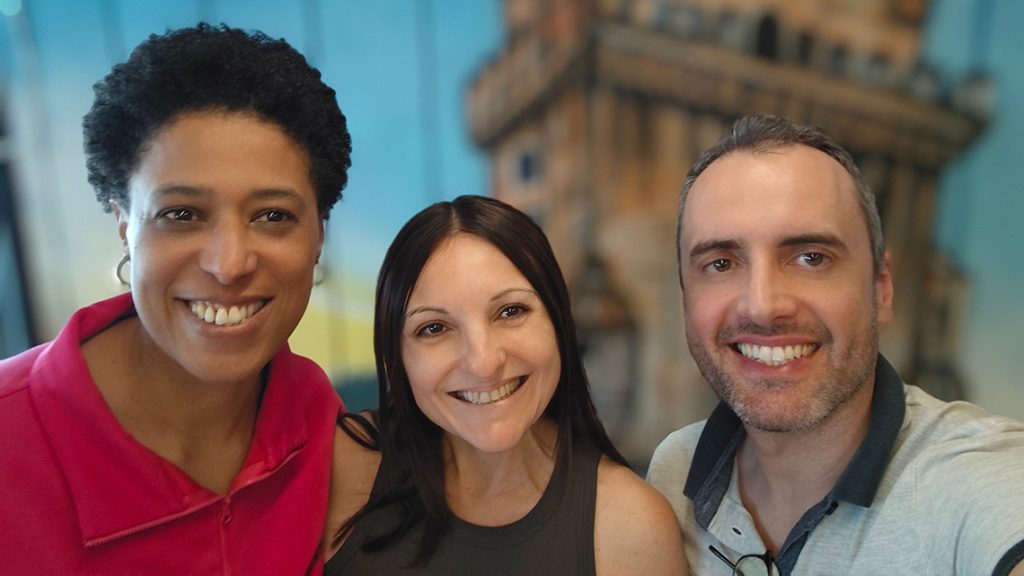
People: The Hardest Part of Leadership
Ask Isabel about challenges, and she bypasses the regular challenges like funding, competition, or market headwinds. She goes straight to people. Getting the right team, she says, is where the road truly runs out. “One of the most testing phases in my journey has been building and sustaining the right team—not simply in terms of skills, but in terms of values, resilience, and mindset.”
In a small organization, she notes, every individual carries significant weight. She keeps Mindshift deliberately lean, resisting growth for its own sake, and building a culture in which performance and well-being are treated as inseparable. The organization operates an open leave policy—time off requires no justification, provided commitments are met. “It is a simple practice that reinforces trust and a sustainable way of working.”
Leadership, Rewritten
Isabel’s leadership style is neither performative nor prescriptive. It is, in her words, “collaborative, values-driven, and deliberately human.”
There is a quiet confidence in how she defines it. No grand statements. No borrowed jargon. Just clarity.
She leads with transparency, invests in culture, and anchors everything in shared purpose. “I want everyone within Mindshift Skills Hub to feel they are actively building it,” she says.
It’s a philosophy that treats leadership less as authority and more as stewardship.
The Unfinished Conversation
Portugal, she acknowledges, has made progress. There are more women in leadership, stronger networks, and greater visibility. Yet the journey to that destination must be more profound, more incisive, and more consistent.
“Beyond structural challenges, there is also an internal dimension related to confidence, mutual support, and how women position themselves in leadership spaces. At times, we become our own limitation.”
Her response is not criticism—it is an invitation. She urges building self-belief, strengthening networks, and creating an environment that encourages and respects the act of seeking support. What she calls for is both structural and cultural: “stronger ecosystems that foster collaboration over competition and environments that enable women to lead authentically.”
The conversation, she implies, is very much still open.
The Road Ahead
Mindshift’s next chapter points beyond Europe—toward Africa, toward Asia, toward the skills demands of a world mid-transition.
Artificial intelligence. Green transitions. New learning models. These are not trends to follow, but realities to meet head-on.
And yet, despite this forward momentum, Isabel remains anchored in something more enduring. “For me, sustainable growth is not only about expanding our reach but also about maintaining the quality, cohesion, and shared purpose that define how we work.”
The organization she has built, she says, must itself embody the values she advocates—a transformative mindset grounded in curiosity and a willingness to evolve.
And that is a fitting note to end on.
Because if there is one thread that runs through Isabel Nunes’ journey—from an optional psychology class to 50 countries—it is her deep, unflinching resolve to evolve and innovate, no matter what.
That, more than any metric, is the measure of what she has built.